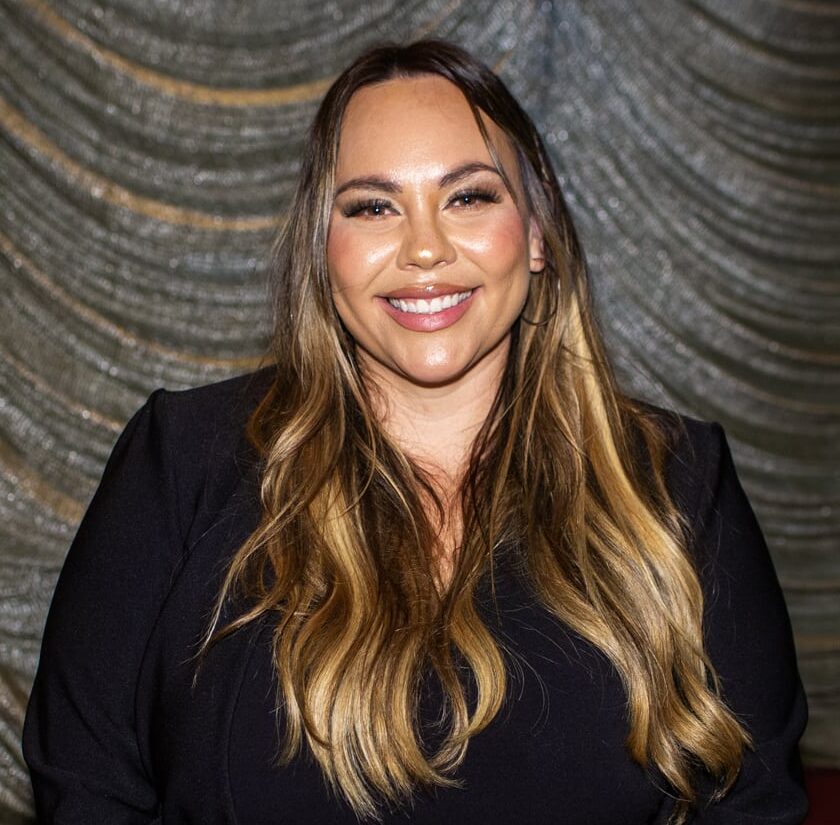
 It’s been one full year as Executive Director of JBAY, where I’ve been fortunate to work in several capacities over the past six years. I could not be more dedicated to our mission of improving the lives of youth in foster care and youth experiencing homelessness. And I’m deeply inspired by my unstoppable teammates and our fearless Youth Advocates, driving change across the areas of housing, education, and economic mobility.
At the same time, I recently moved my family of six, including twin toddlers, 500 miles from San Diego to Sacramento. Every day, the news feels hard to bear. And the pile of clean, unfolded laundry at my house rivals the Great Pyramid of Giza. Like so many with personal experience in the system, there are times I feel overwhelmed and defeated, times I’m forced to ask: How do I pick myself back up? How do I piece together what we do have? Where do we go from here?
My advocacy work began on my college campus, where I learned how to raise my voice in support of extending foster care. Now, nearly two decades into my career in this sector, I wanted to offer a few insights that continue to sustain me in times like this.
- Say the brave thing.
I’ll never forget when I first encountered JBAY. I was in my mid-twenties, shortly after grad school and after having my first child, and I’d founded a small nonprofit dedicated to supporting foster youth who were also young parents themselves.
There was such a gap in education around prenatal care, labor and delivery, caring for newborns and infants, and managing your own trauma through the process. I remember one young woman, eight months pregnant, who didn’t know what her cervix was. I wanted to provide extra support and services, as well as just a sense of normalcy.
But I was having a terrible time fundraising. All the money was going to bigger providers – providers whose programs rarely made accommodations for transition-age youth who needed childcare in order to engage in services.
I’d heard of JBAY and reached out to my predecessor, longtime Executive Director Amy Lemley, to see if we could work together on a grant proposal. I told her about the pushback I was getting from donors – lightly veiled versions of, “Well, we don’t want to have to support their kids, too,” and, “Those are their ‘choices,’ let them deal with it.”
And I remember Amy said something so brazen on the call. She was like, “We have to combat the narrative that their children are unwanted. Young people who’ve been in foster care have every right to have children, they have every right to become a parent, full stop.”
And I was like, there we go. That’s it. She cut right to the heart of it. The pushback wasn’t really about cost at all – whether they knew it or not, donors were calling into question the fundamental human right of who gets to be a parent and who doesn’t.
I was like, that’s one hell of an advocate right there!
2. Second, value vulnerability.
I can’t tell you the number of times I’ve seen legislators and their staff shift their thinking on an issue after hearing directly from young people who’ve lived through the realities of the system.
I’ve had the experience myself – testifying in front of the California Human Services Committee about the way I was overmedicated as a kid, how each time one medication didn’t work, another psychiatrist would just stack a new prescription on top rather than asking deep questions or referring me to other kinds of support. My testimony helped put requirements in place so that foster youth are now offered therapeutic and wraparound supports before medications are prescribed.
Courage, bravery, vulnerability – these assets are needed now more than ever. These tools allow for breakthroughs in relationships, but also in shaping and influencing public policy that then affects hundreds of thousands of young people across our state.
3. Number three, define your daily locus of control.
When I feel stuck on the big systems change stuff – when it’s really hard to pass a bill or the budget is in a deficit, or I’m up against some inscrutable constraints in the policy world, I try to remind myself to think smaller. I think, who is one person I can help today?
Sometimes it’s the case that we happen to have an extra $50 grocery gift card in the office for a Youth Advocate who is struggling to get through the month financially. Or recently, it was a friend whose partner was about to have open heart surgery. Because they aren’t married, this friend wasn’t eligible for FMLA, but I happened to know she was eligible for leave under the CFRA – the California Family Rights Act – so I took 15 minutes to help her draft a letter to HR to claim her benefits.
There are a million examples and so many ways to think about progress. Whenever I’m up against something that feels immoveable, I ask, what can I do today? And even if it’s small, I have found that it gives me that intrinsic reward of refilling my own bucket.
We must find ways to keep going because our goals are worthy and ambitious.
This year at JBAY, we are co-sponsoring four bills and a budget proposal. These measures aim to maintain the very encouraging 24% reduction in youth homelessness we’ve seen over the past seven years here in California; ensure consistency in how housing assistance is administered to former foster youth; remove obstacles to extended foster care; improve access to financial aid among foster youth; and create greater ease and accessibility as foster youth apply for student housing and enroll in classes. We are also honored to support Senate Pro Tempore Emeritus Mike McGuire (D-North Coast) as subject matter experts on SB 1421, an act to amend the child welfare code to ensure youth receive the care they need.
While we may not be able to pass all of the macro-level changes we are fighting for this year, it feels just as significant to keep fighting, knowing that even incremental wins make a tremendous difference in the lives of young people coming up through the system today.
This is how we continue to endure, how we can keep going without getting desensitized, without losing our compassion. And for all the reasons we all hold so dear, it is absolutely critical that we do.