2026
Policy Victories
In 2026, JBAY successfully advocated for these policy and budget priorities to improve the quality of life for youth in California who have experienced foster care or homelessness.
$82 Million to Reduce Youth Homelessness in California
The 2026–27 state budget includes approximately $82 million to address youth homelessness through the Homeless Housing, Assistance and Prevention (HHAP) Program, which received $890 million in total funding.
Under HHAP, California’s 44 Continuums of Care, 58 counties, and 14 large cities must dedicate at least 10% of their HHAP funding to serving youth and young adults experiencing homelessness, ages 12–24. This required “youth set-aside” will result in approximately $82 million being invested in youth homelessness statewide.
Since HHAP was created in 2019, California has invested approximately $472.7 million in youth homelessness through the program.
Preventing Homelessness Among Former Foster Youth & Maximizing Federal Housing Assistance
Assembly Bill 2162, authored by Assemblymember Isaac Bryan (D-Culver City), was signed into law on September 27, 2026. The bill makes targeted improvements to the state’s Housing Navigation and Maintenance Program (HNMP) to prevent homelessness among former foster youth. HNMP funds housing navigation and services for youth with federal Housing Choice Vouchers.
AB 2162 raises HNMP’s upper age limit to 28 years old, matching the full duration of federal vouchers for former foster youth, so young adults do not lose supportive services prematurely. Additionally, the bill strengthens state oversight and local access by requiring counties to report on their youth housing voucher capacity as a condition of receiving HNMP funding.


Improving Access to Financial Aid through Cost of Attendance Adjustments
Assembly Bill 2251, authored by Assemblymember Celeste Rodriguez (D-San Fernando), was signed into law on September 30, 2026. The bill improves awareness of and ensures access to Cost of Attendance adjustment requests at California’s public postsecondary institutions.
A school’s “Cost of Attendance” (COA) represents the total estimated cost of attending school, and is a central factor in determining a student’s financial aid eligibility and the maximum amount of aid they can receive. Federal and state policies allow institutions to adjust a student’s COA to reflect special circumstances. AB 2251 addresses the problem of students having to turn down urgently needed aid because they have reached their COA cap and are not informed about, or do not receive available adjustments.
Ensuring Equitable Access to Extended Foster Care Statewide
Assembly Bill 2764, authored by Assemblymember Patrick Ahrens (D-Silicon Valley), was signed into law on September 27, 2026. The bill clarifies and standardizes Extended Foster Care (EFC) eligibility statewide, ensuring that a young person’s access to housing and support does not depend on their county of jurisdiction or the discretion of individual decision-makers assigned to their case.
To participate in EFC, youth must meet at least one of five conditions, which include completing high school or postsecondary education, working, reducing barriers to employment, or meeting a health exemption. AB 2764 ends the practice of requiring youth to meet additional participation conditions that exceed these legal standards, removing barriers to re-entering EFC and accessing specific placements, and preventing unlawful discharge.

Protecting Access to CalFresh Food Assistance for Foster Youth
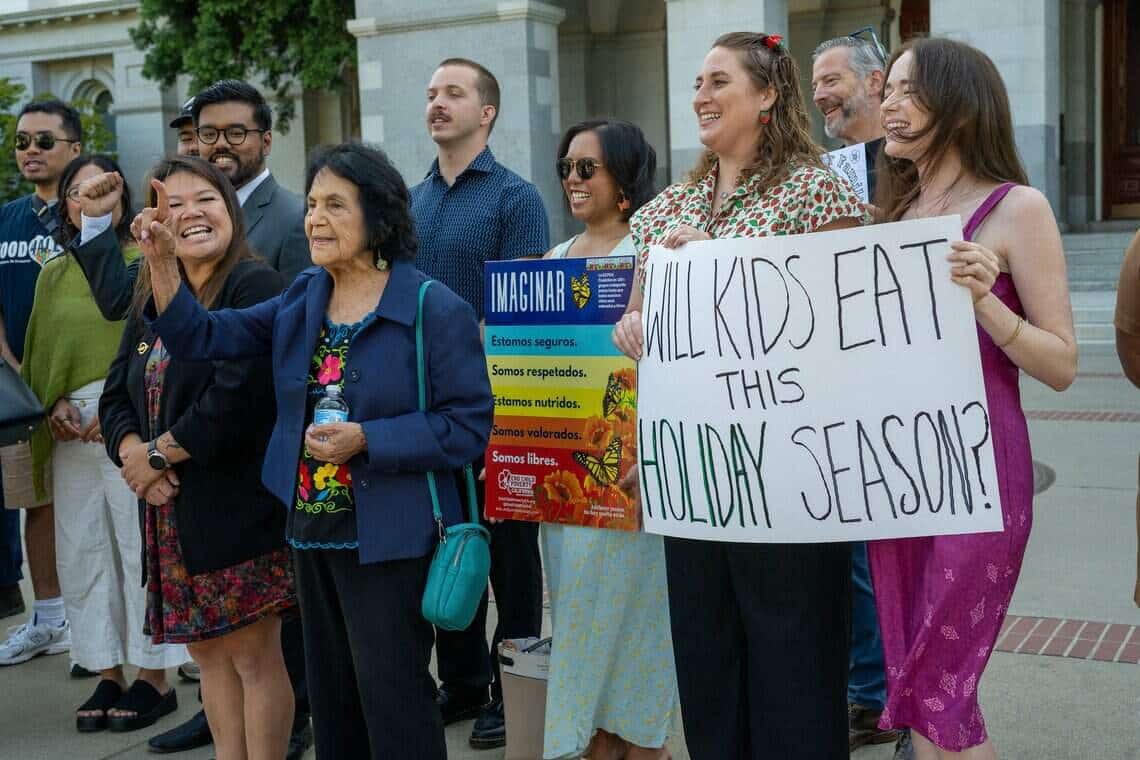
Assembly Bill 2765, authored by Assemblymember Patrick Ahrens (D-Silicon Valley), was signed into law on September 18, 2026. The bill maintains CalFresh food benefits for many current and former foster youth by streamlining verification of compliance with or exemption from newly enforced federal work requirements under H.R. 1, which made the largest-in-history federal cuts to food assistance nationwide.
Instead of forcing young people to go through a complicated paperwork process to prove they are compliant or qualify for an exemption, AB 2765 automates the process using existing records, including nonminor dependent case plan and Medi-Cal data. The bill also benefits other vulnerable populations with known medical conditions. CalFresh is California’s Supplemental Nutrition Assistance Program (SNAP).
Improving Access to Student Housing & Course Enrollment for College Students with Foster or Homeless Experience
Assembly Bill 2766, authored by Assemblymember Patrick Ahrens (D-Silicon Valley), was signed into law on September 14, 2026. To improve student housing stability, the bill establishes priority housing at California Community Colleges for students who are current or former foster youth or who are experiencing homelessness, mirroring existing policies at California State Universities and University of California campuses. AB 2766 also improves awareness of these benefits and identification of eligible students across public postsecondary systems and waives or defers housing fees until after financial aid is disbursed.
To improve access to course enrollment, the bill expands priority registration for older former foster youth in campus support programs.


Improving State and County Accountability for Outcomes Among Older Foster Youth
Senate Bill 1421, authored by Senate President pro Tempore Emeritus Mike McGuire was signed into law by Governor Newsom on September 27, 2026. The bill strengthens state and county accountability for outcomes among older foster youth by, for the first time, requiring the California Child and Family Service Review (C-CFSR) to include data measures related to the utilization of programs for nonminor dependents.
SB 1421 specifically requires inclusion of data on financial aid application completion and enrollment in postsecondary and vocational education, and authorizes stakeholders to determine additional relevant measures.